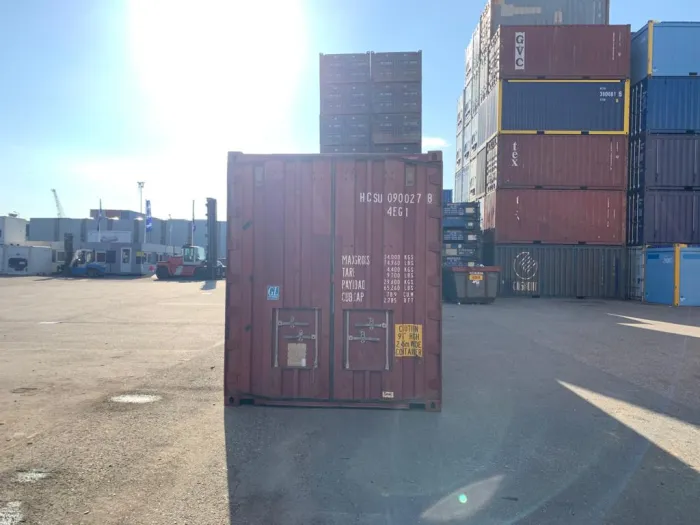
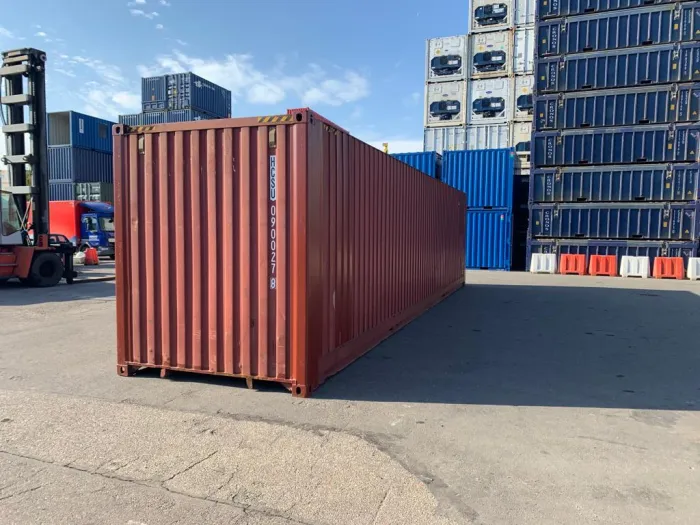
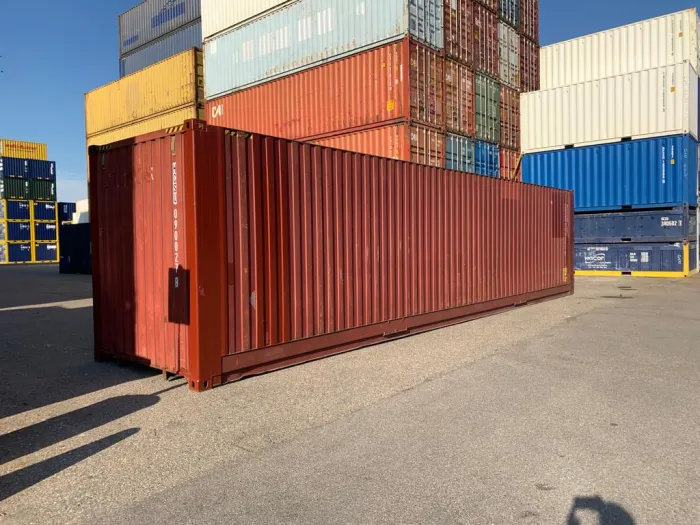
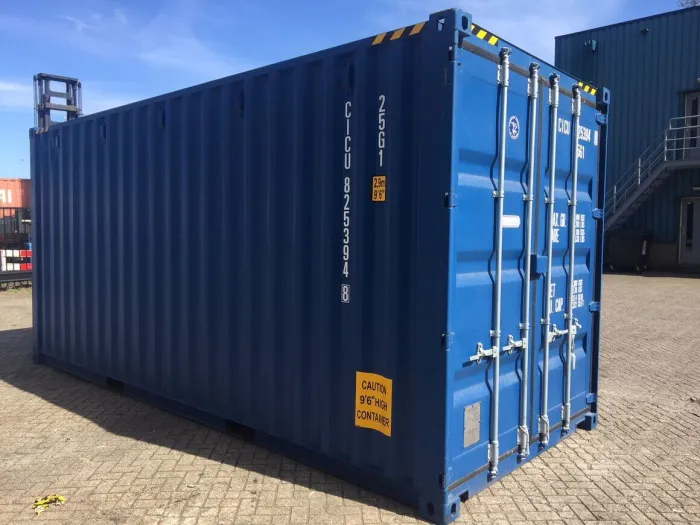
Standards, Compliance, and Structural Safety

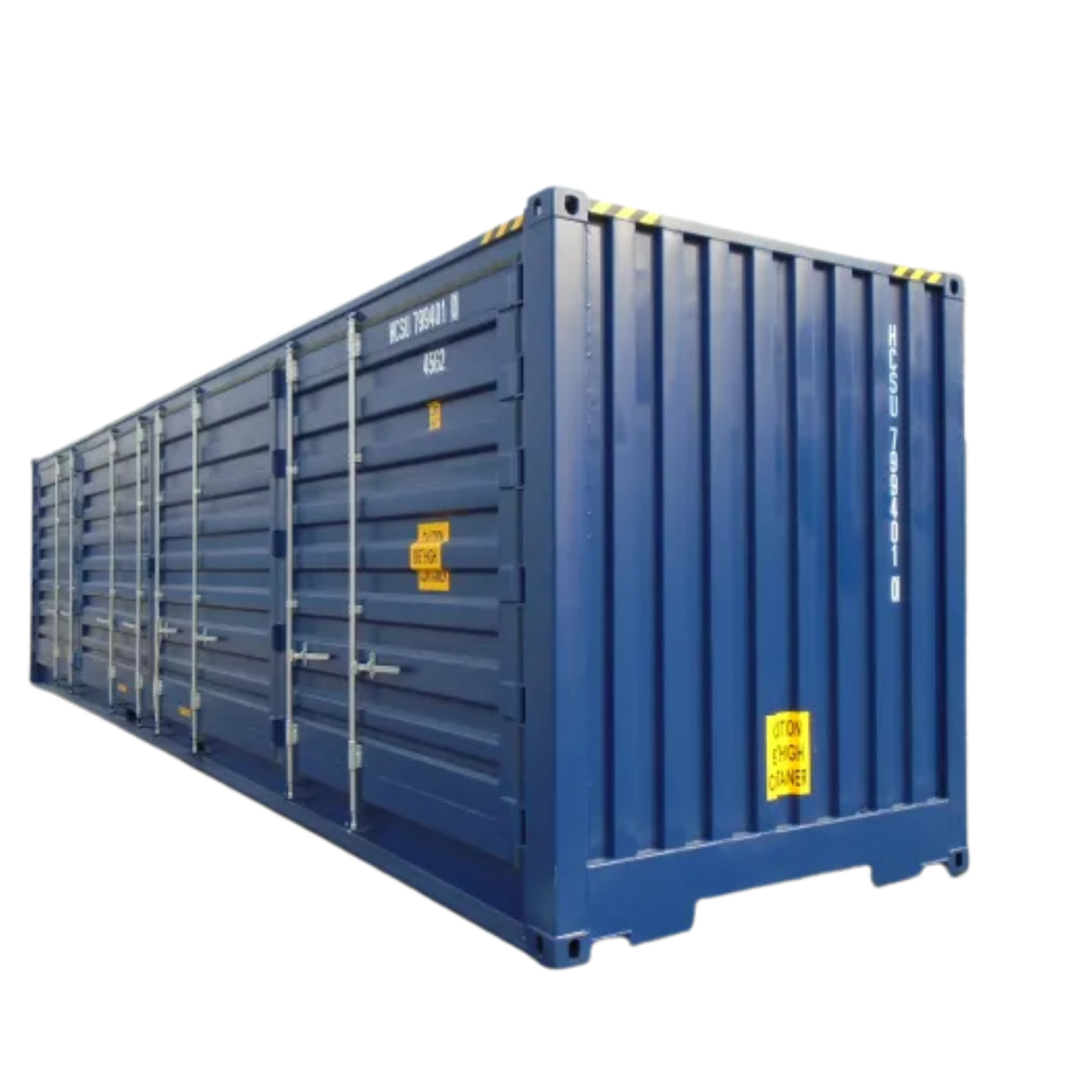
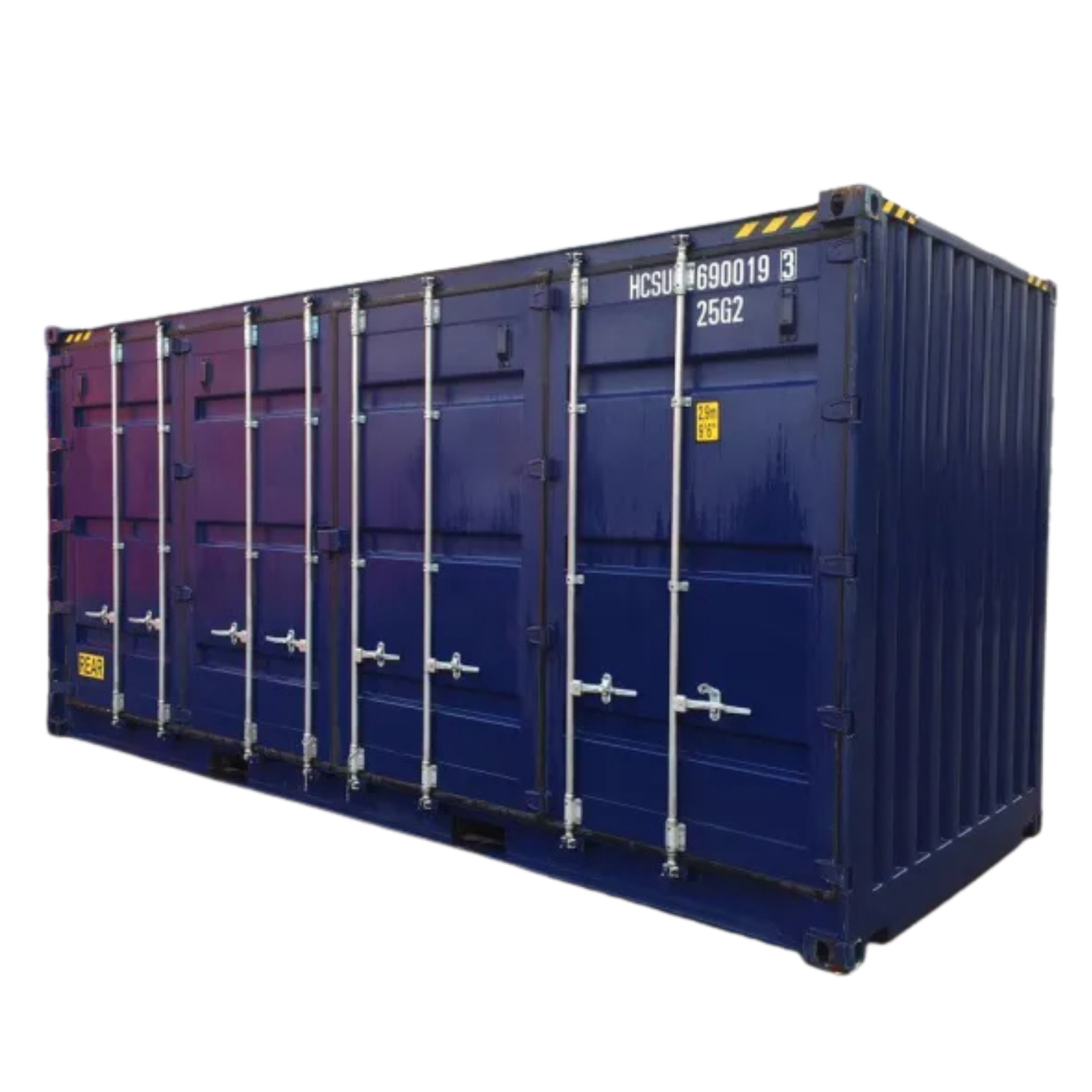
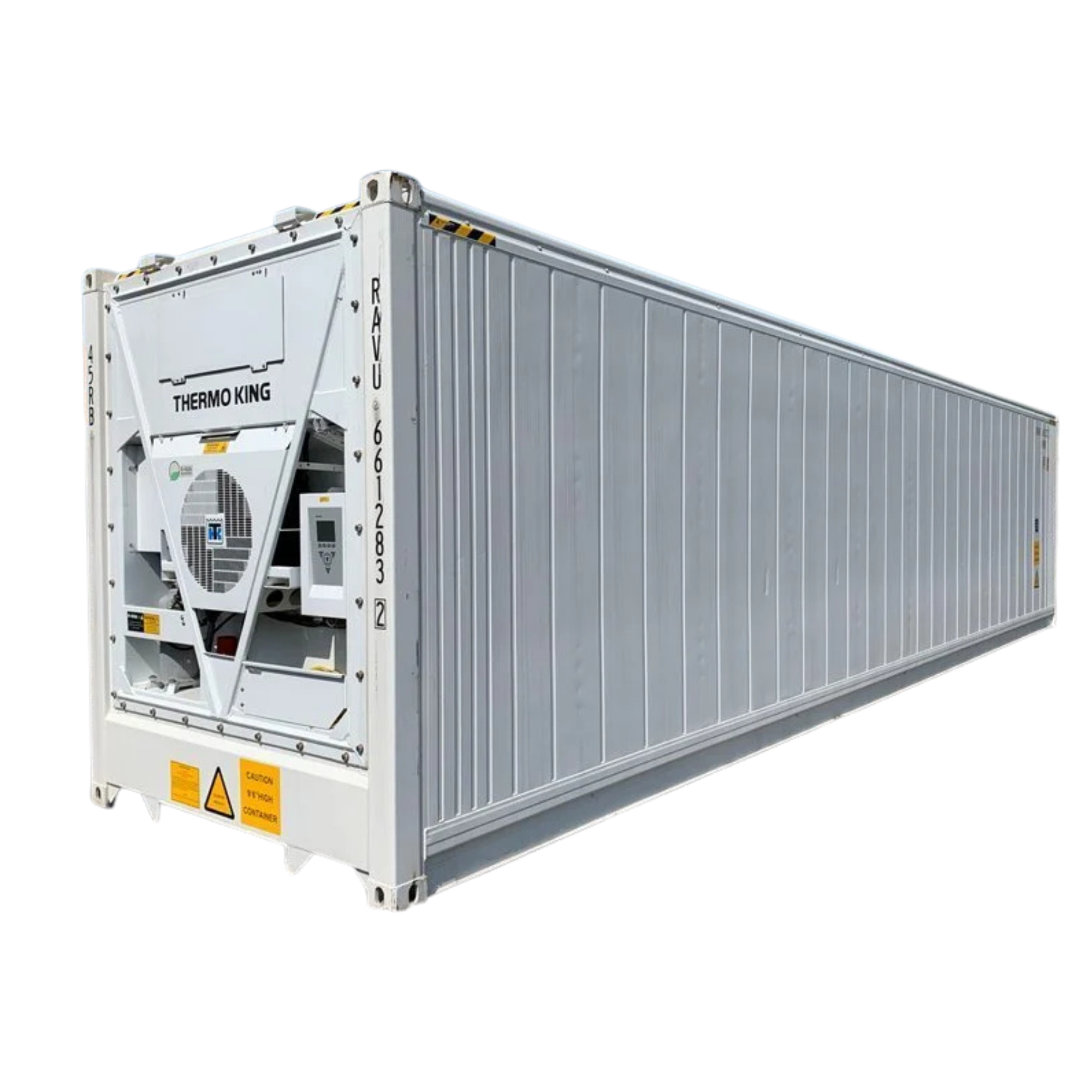
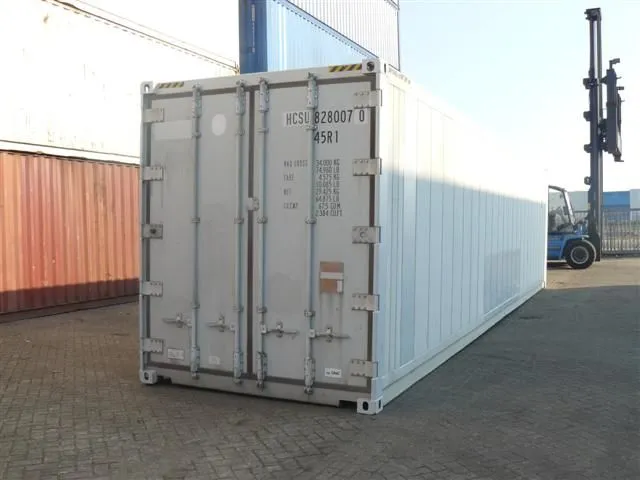
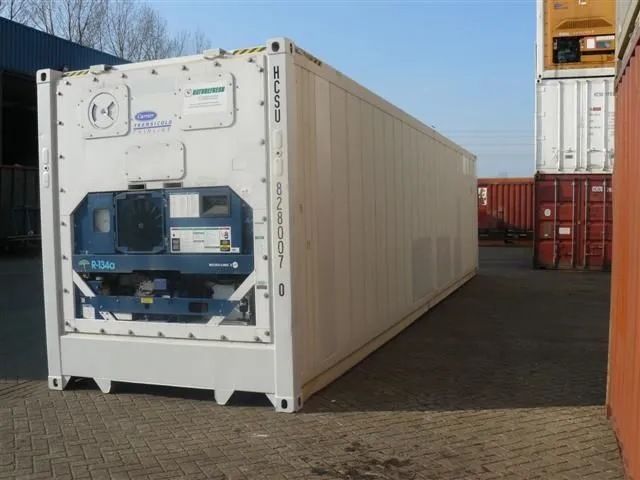
All containers and modular units are designed and supplied in accordance with recognized international standards applicable to transport, handling, and structural use.

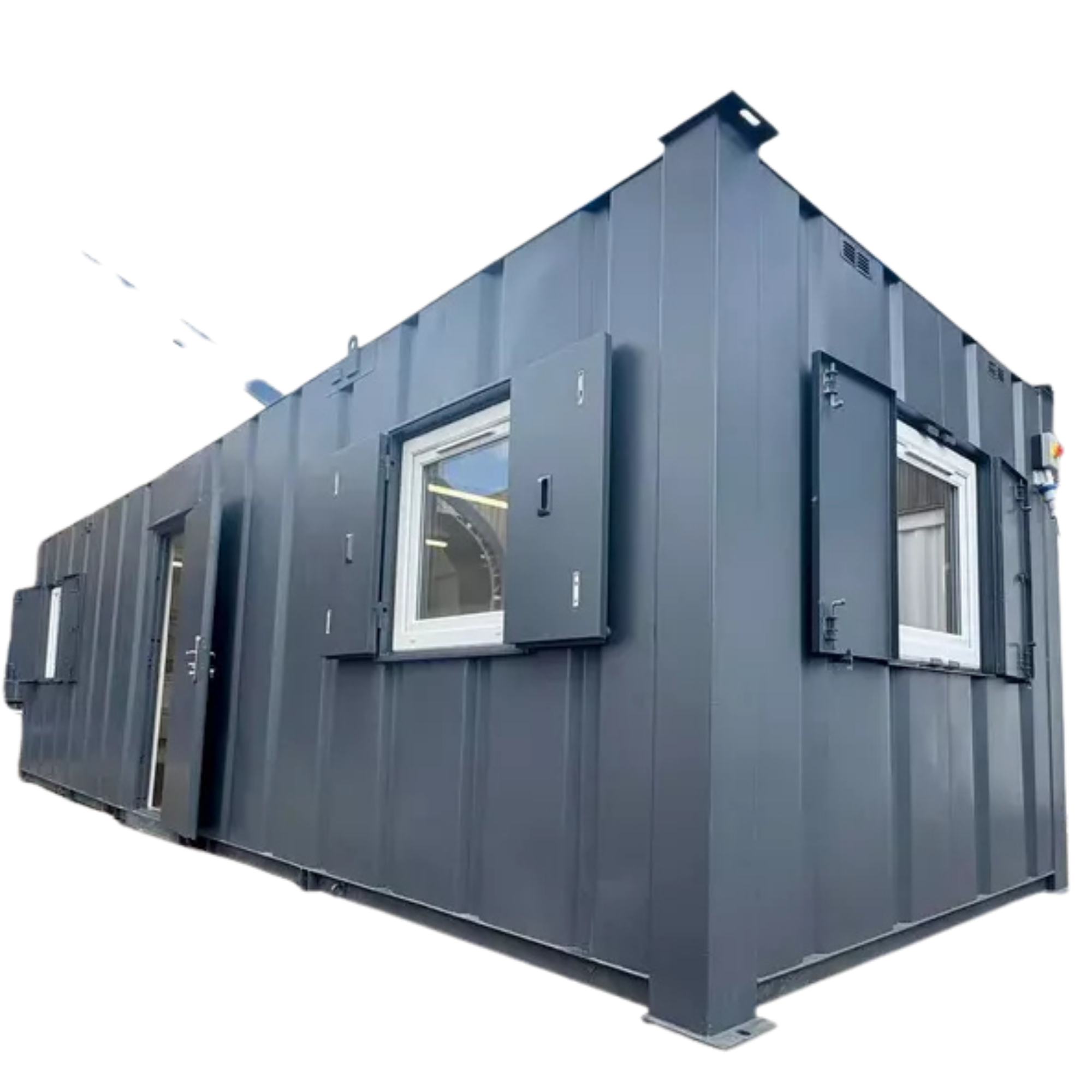
The focus remains on ensuring that each unit is suitable for real-world operational conditions, including storage, transport, and modification.

ISO Standards

Shipping containers are manufactured and structured in line with relevant ISO standards, including:

  • ISO 668 – Classification, dimensions, and ratings
  • ISO 1496 – Structural strength and testing requirements
  • ISO 1161 – Corner castings for lifting and stacking

These standards ensure compatibility with global handling systems used across road, rail, and sea transport.

CSC Certification

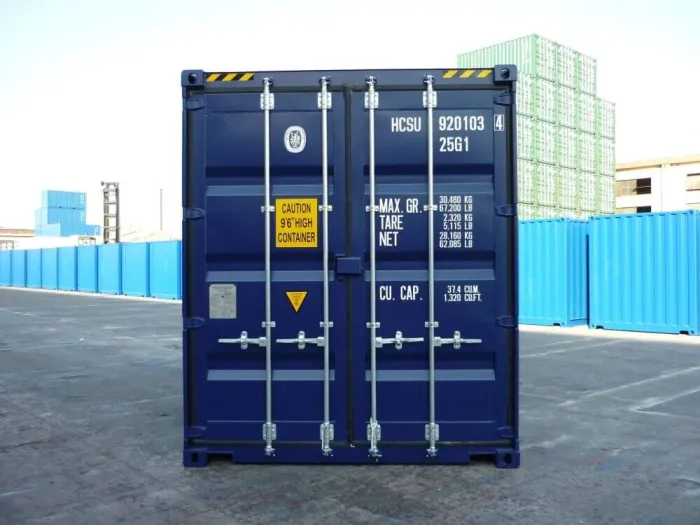
Applicable units are fitted with a CSC (Container Safety Convention) plate, confirming compliance with international safety requirements for transport.

The CSC plate verifies:

  • Structural integrity for stacking and lifting
  • Suitability for intermodal transport
  • Compliance with safety inspection standards

Containers intended for export or transport use are expected to meet these requirements.

Structural Integrity & Inspection

Units are assessed to ensure they meet operational expectations for:

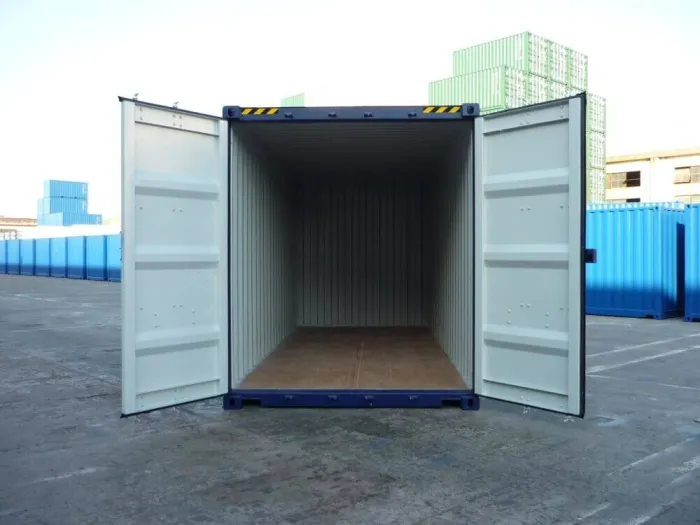
  • Frame alignment and structural stability
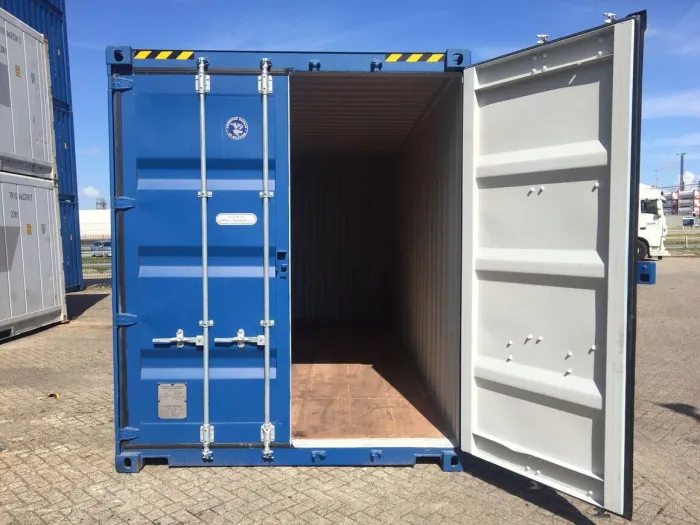
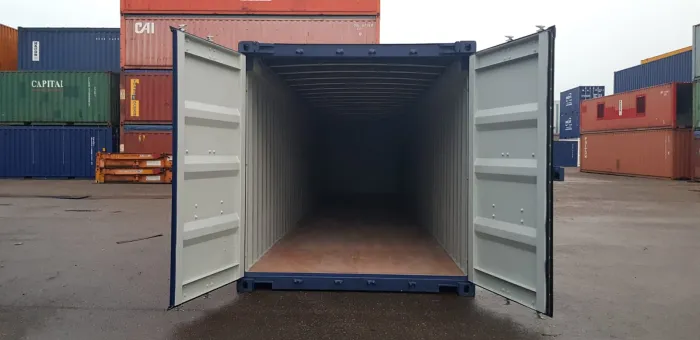
  • Door functionality and secure locking systems
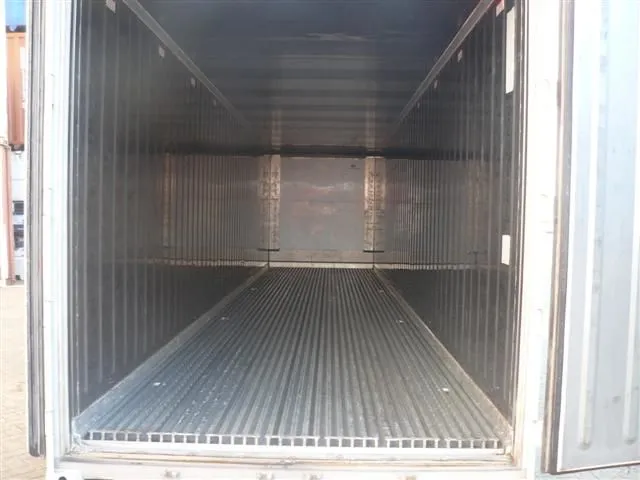
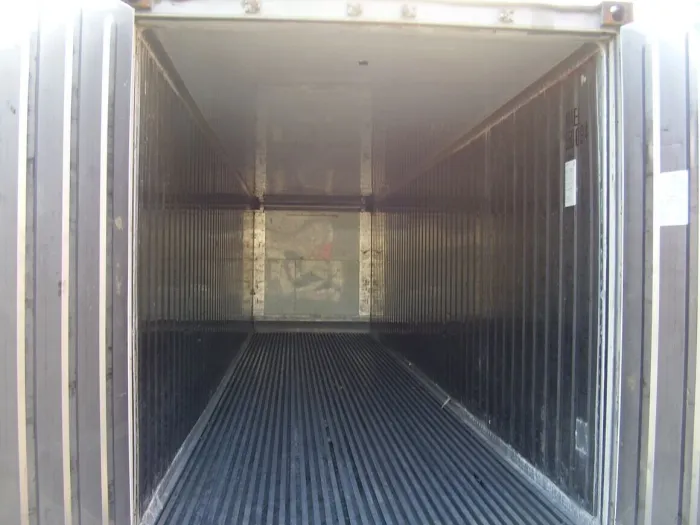
  • Floor condition and load-bearing capability
  • Roof and wall panel integrity
  • Weather resistance (wind and water tight condition where applicable)

Inspection processes focus on usability, safety, and durability under working conditions.

Material Safety

Containers and modular units are constructed using:

  • CORTEN (weathering) steel for corrosion resistance
  • Marine-grade plywood or steel flooring depending on configuration
  • Reinforced structural components designed for repeated handling

These materials are selected to support long-term performance in outdoor and industrial environments.

Handling & Operational Safety

Containers are designed for safe handling using standard equipment:

  • Forklift pockets (where applicable)
  • ISO corner castings for crane lifting
  • Stackable configuration for yard and transport use

Proper handling procedures should always be followed during lifting, positioning, and transport.

Modification & Usage Considerations

For units used in conversion or modification projects:

  • Structural elements should not be altered without proper assessment
  • Electrical, plumbing, and insulation installations should follow local regulations
  • Load distribution must be considered for added internal structures

This ensures continued safety and structural performance after modification.
Compliance Responsibility

While containers are manufactured to meet international standards, final use, placement, and modification must comply with:

  • Local building regulations
  • Site-specific safety requirements
  • Applicable Australian standards where required